
Managing PCOS with the Right Diet
PCOS (Polycystic Ovary Syndrome) is a complex hormonal and metabolic disorder that affects women. It is characterized by a combination of symptoms, including:
- Acne (especially deep, cystic acne)
- Irregular hair growth (such as on the chin, neck, and back)
- Hair loss (such as a receding hairline)
- Irregular menstrual cycles
- Extremely heavy or light periods
- Painful PMS
- Unexplained weight gain or trouble losing weight
- Infertility or difficulty getting pregnant
A holistic, root-cause approach can make a significant impact on managing this condition, reducing symptoms, regulating cycles, and increasing fertility. By supporting cellular health, blood sugar balance, stress resilience, and gut health with targeted dietary strategies, we can help you address the root causes of PCOS and help your body find balance. Here’s how to approach PCOS using holistic nutrition:
1. Blood Sugar Balance and Cellular Health
Blood sugar dysregulation is at the heart of PCOS for many individuals. Elevated insulin levels can stimulate the ovaries to produce more testosterone, which contributes to common PCOS symptoms like excess hair growth, acne, uncontrollable cravings, and irregular menstrual cycles. Managing blood sugar through balanced meals not only stabilizes energy but also improves insulin sensitivity, helping to reduce these symptoms.
Tips for Blood Sugar Balance:
- Aim to include fiber, protein, and healthy fats at each meal to slow down glucose absorption and prevent blood sugar spikes. Eat your fiber first, then your proteins and fats second.
- Opt for complex carbs from whole-food sources (like quinoa, potatoes, and oats) over refined grains and sugars. Eat these last (after your fiber, proteins, and fats).
- Prioritize building muscle in your workouts through regular resistance training. Walk 15-20 minutes after meals to improve glucose absorption and keep blood sugar steady.
2. Stress Management and Adrenal Health
Chronic stress can exacerbate PCOS by dysregulating cortisol levels, which in turn can worsen insulin resistance and inflammation. By supporting adrenal health, we can help mitigate this effect and allow your body to better handle stress to maintain a healthier hormonal balance.
Adrenal Support Tips:
- Regular practices like deep breathing, yoga, or meditation can help regulate cortisol levels. Schedule rest days and small breaks into your calendar so you make it a priority.
- Build a strong resilience to stress by exercising regularly, challenging yourself in a healthy way, and incorporating strategic hot/cold therapy into your routine.
- Ensure sufficient intake of B vitamins, magnesium, and vitamin C, which are essential for adrenal health to help manage stress naturally. For help getting the right things in your diet, book a call with Naomi the Nutritionist at Clementine.
3. Gut Health and Inflammation
Research suggests that gut health plays a crucial role in managing PCOS. An imbalance in gut bacteria (dysbiosis) can contribute to inflammation and metabolic issues that worsen PCOS symptoms. By focusing on strong gut health, we can reduce inflammation, enhance nutrient absorption, and improve hormonal balance.
Gut Health Tips for PCOS:
- Include a diversity of fiber-rich foods (like leafy greens, root vegetables, and chia seeds) to feed beneficial bacteria and promote a diverse microbiome.
- Incorporate fermented foods like sauerkraut, kimchi, and yogurt, which are rich in probiotics and support gut health.
- Support your gut through the Gut-Brain Connection. When it’s time to eat, remove distractions and take a few deep breaths to activate your parasympathetic nervous system (your “rest and digest” state) and improve the breakdown of your food.
4. Hormonal Balance through Anti-Inflammatory Foods
PCOS often involves chronic low-grade inflammation, which can further disrupt hormone function and lead to common symptoms like acne, heavy periods, painful PMS, and irregular cycles. Following an anti-inflammatory diet can reduce inflammatory markers, improve insulin sensitivity, and support overall hormone health.
Anti-Inflammatory Foods to Prioritize:
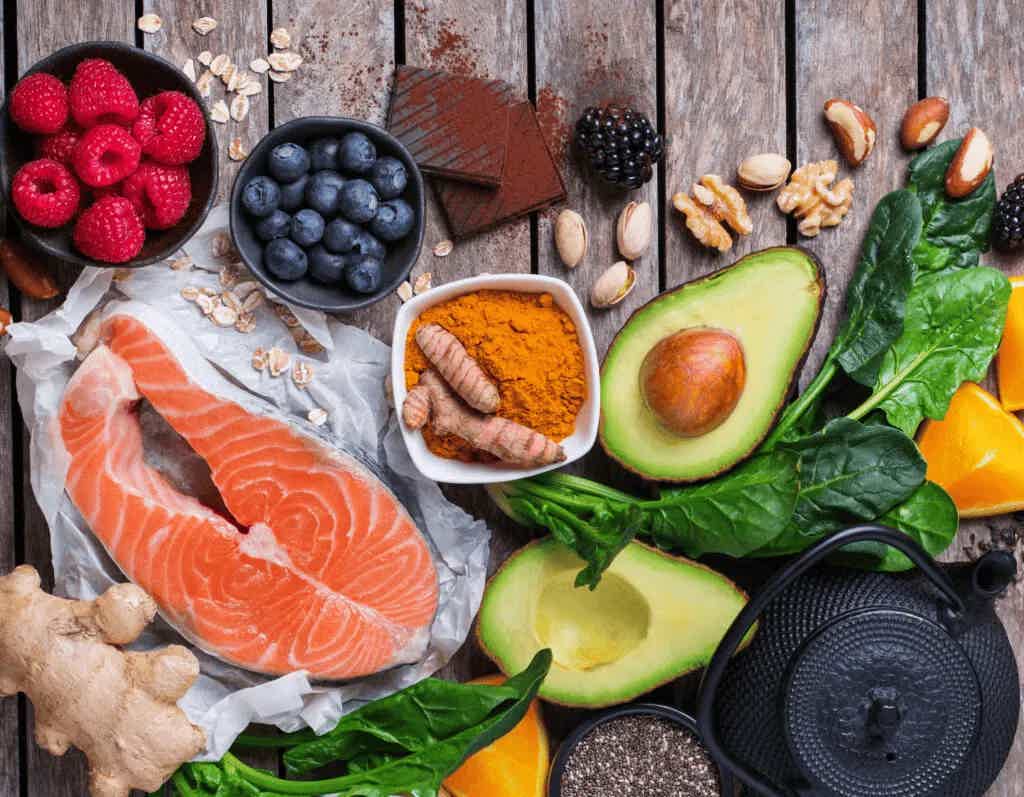
- Turmeric and ginger: Both are potent anti-inflammatory spices that can easily be added to meals or taken as supplements. Try making a curry or stew with turmeric, or sip on lemon-ginger tea!
- Berries and leafy greens: These are high in antioxidants, which combat oxidative stress and inflammation. Try a mixed berry smoothie as a snack and add an extra serving of greens to your dinner.
- Omega-3s from sources like wild salmon, sardines, mackerel, flaxseed, and chia seeds, which support anti-inflammatory pathways. Try meal prepping a chia pudding for breakfast and topping it with mixed berries. Have fish for dinner or lunch 2-3 times/week.
5. Muscle Health and Physical Activity
Building and maintaining lean muscle is beneficial for managing PCOS. Muscle tissue acts as our body’s main reservoir for glucose, so by increasing muscle mass, we improve insulin sensitivity. Ultimately, this enhances metabolic rate and can help balance blood sugar.
Muscle Health Tips for PCOS:
- Include protein-rich foods with every meal to support muscle maintenance and recovery. Aim for 20-30g of protein at every meal, especially at breakfast.
- Consider strength-training exercises 2-3 times per week to build lean muscle, increase insulin sensitivity, and support metabolic health.
- Ensure adequate intake of magnesium (from leafy greens, cacao, nuts, and seeds) and amino acids from protein for muscle health and recovery, especially if engaging in regular physical activity.
Incorporating these approaches provides a well-rounded, holistic strategy to help manage PCOS symptoms and support long-term health. By focusing on these foundational aspects of health, you can address some of the root causes of PCOS rather than just treating the symptoms at a surface level.
More Support
For more support with managing your PCOS and optimizing your hormonal health through food, book a call with Naomi, our Registered Holistic Nutritionist. Naomi’s specialty in women’s health and her own personal journey managing PCOS makes her an excellent resource here at Clementine. You can book a complementary Discovery Call with Naomi here.
Disclaimer: This information is for educational purposes only and is not intended as medical advice. Please consult with a qualified healthcare provider before starting any new health regimen, especially if you have a medical condition like PCOS.
Health Disclaimer: The information provided in this blog is for educational purposes only and is not intended as a substitute for professional medical advice, diagnosis, or treatment. Always seek the advice of your physician or other qualified health provider with any questions you may have regarding a medical condition. Never disregard professional medical advice or delay in seeking it because of something you have read on this blog.